
Staying Safe from Scammers: A University Student’s Guide to Navigating the Digital World
As university students, many of us are using digital media regularly—whether it’s for online shopping, socializing, or managing personal finances. However, being away from family and relying heavily on online platforms can make us more vulnerable to scams. It’s crucial to understand how to protect yourself from scammers and fraudulent schemes while navigating the online world.
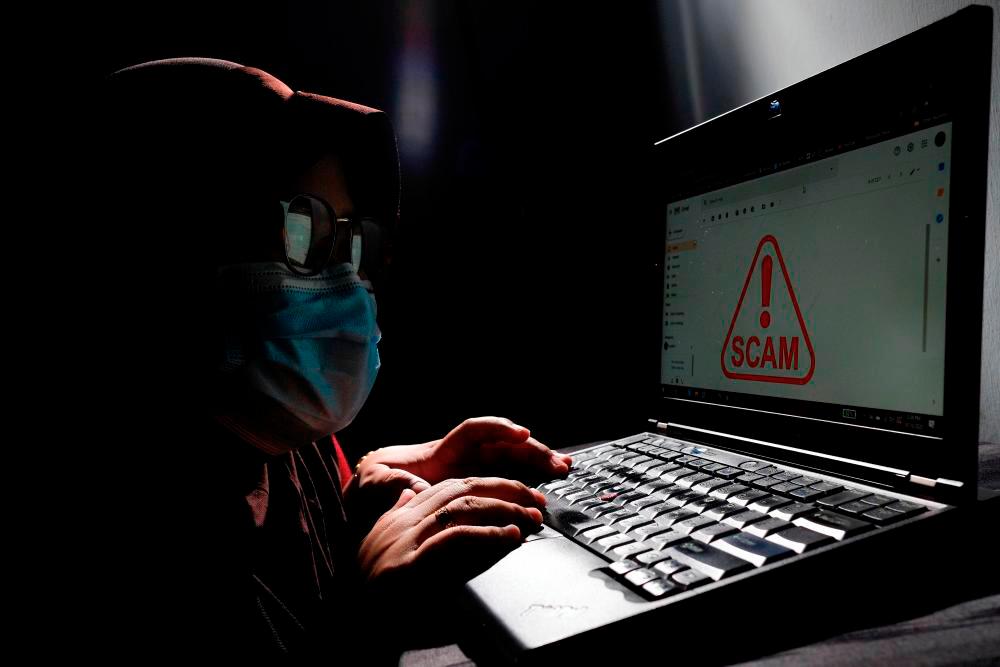
1. What is a Scammer?
A scammer is someone who tries to deceive people for financial gain by offering false promises, services, or opportunities. Unlike genuine opportunities, scams often seem too good to be true or require upfront payments for unclear reasons. In contrast, real opportunities are often linked to legitimate, traceable businesses or institutions. They follow formal procedures, provide clear terms, and rarely ask for sensitive information upfront.
An authentic job offer should come from a company registered with SSM and include clear job descriptions and in-person interviews. Scammers may pretend to be employers offering easy, high-paying jobs and ask for personal or banking information immediately.
2. Understanding Jurisdiction: Law of the Land
It’s important to realize that scammers may not even be based in Malaysia, making them hard to trace. Knowing the physical location of the person or company you’re interacting with online is key. If a company does not have a physical office, check if they are monitored by trusted bodies like Shopee Malaysia for sellers or Suruhanjaya Syarikat Malaysia (SSM) for registered companies.
If you get scammed by someone overseas, local law enforcement may have limited ability to help. Always ensure that you engage with entities governed by Malaysian jurisdiction. You can check their reliability by verifying whether they are registered with relevant authorities.
3. Verifying Website Domains
Scammers often create fake websites that appear legitimate, but these can be hosted overseas or have suspicious domain names. Always check if a website is operating under Malaysian jurisdiction and verify its credibility using online tools or security certificates. Look for https in the URL, check the domain’s age, and search for reviews.
Additionally, it’s crucial to look for a physical address associated with the website or business. Legitimate companies will often display their office or store location on the website. If no physical address is provided, or the address seems suspicious or unverifiable, it may indicate a fake website. Research the company thoroughly to ensure they’re operating from a real location.
Ensure any website or service you use complies with local laws, and if in doubt, research the company’s background.
4. Handling New Devices Safely
When you purchase a new PC, smartphone, or any other device, it’s vital to take control of its security from the beginning. Always format the operating system (OS) to factory settings, and never let a stranger or shop owner set up software on your device. Doing so reduces the risk of hidden malware or unauthorized software being installed.
Additionally, avoid installing any software or APK files that are not certified with your OS. For Android users, always download apps from the Google Playstore to ensure they are verified and safe. Installing apps from untrusted sources can expose your device to malware or spyware, putting your data and privacy at risk.
Keep your OS up-to-date and only use genuine versions. If you’re looking for a free and secure alternative, consider using Linux distributions like Ubuntu, which are often more secure than pirated copies of Windows. Avoid using unsupported or outdated operating systems that could expose you to cyber threats.
5. Be Cautious with Privacy Permissions
When installing apps or games, be critical of the permissions they request. For example, a game may not need access to your contacts or camera unless it is a social or VR game. It could be a red flag if an app requests access to information that seems unnecessary for its function. Never grant permissions that seem unrelated to the app’s core functionality. Always review app permissions and only allow what is absolutely necessary.
6. Be Careful with Money Transfers
When purchasing items online, never transfer money to an individual you’ve never met or dealt with before. Legitimate businesses will typically have an account under a company name and will likely be registered under SSM. Always ask for official documents such as quotations, order forms, e-invoices (LHDN), and receipts to ensure you deal with a trusted seller.
Also, verify the legitimacy of the platform you are using—marketplaces like Lazada or Shopee often provide buyer protection, which can safeguard your transaction.
7. Know Your Provider’s Policies
Before engaging in any transaction or sharing personal information, it’s important to understand the policies of the service provider. Whether you’re dealing with an online marketplace, a bank, or a social media platform, familiarize yourself with their privacy and refund policies to avoid falling victim to scams.
8. Protect Sensitive Information
Always be cautious when sharing sensitive information like credit or debit card details. Never share the full card number, CVV (Card Verification Value), or expiry date with a person online, especially if they ask for a photocopy without masking part of the information. If a website or seller requests these details directly, it’s a red flag. Legitimate platforms use secure payment gateways and will never ask for your sensitive data via email or text.
9. Reporting a Scam
If you ever find yourself a victim of a scam, the first thing to do is report it to the police. While it may be intimidating, especially if you fear that personal details like your photo may be misused, never pay a ransom to the scammer. They will likely ask for more money if you give in.
Instead, gather evidence and make an official report. It’s also good to inform your bank or service provider if the scam involves financial fraud.
Additional Tips to Stay Safe:
- Never click on suspicious links sent via email or social media, even if they appear to be from someone you know.
- Enable two-factor authentication (2FA) on all your online accounts for an added layer of security.
- Use strong, unique passwords for each of your accounts and change them regularly.
- Be cautious of phishing emails that look like they’re from trusted sources, asking you to click on links or download attachments.
Staying safe in the digital world is about being cautious, informed, and proactive. By following these guidelines, you can enjoy your online experiences without falling victim to scams.
wisata
Why are university students considered more vulnerable to online scams when living away from their families?
WIRA HIDAYAT BIN MOHD SAAD
Because one of the important methods to outsmart scammers is to communicate with an expert and the loved one….
SO whenever you receive any opportunities, always share that with someone you trust so that you are not alone. Sometimes when you are away from your family, you tend to do something impulsive alone…just be careful; it can either be an opportunity, or it is completely fraud…
AWARE –> https://blog.utem.edu.my/wira_yugi/scams-why-prevention-matters-more-than-recovery-and-what-you-can-do/