
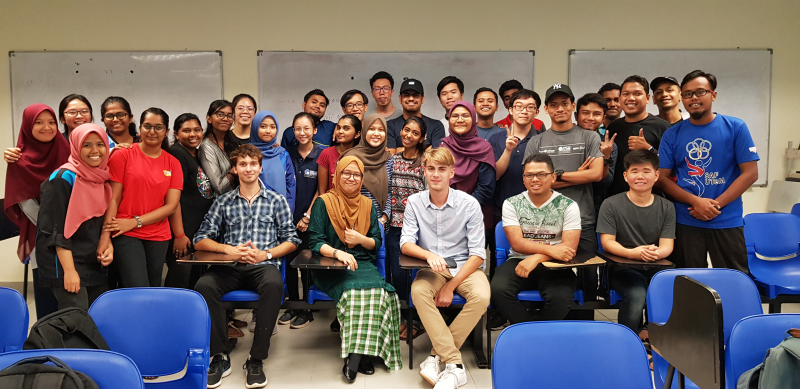
… with my students in one of our class in Semester 2 (2018/2019) …
Table of Content
1. Introduction
2. Teaching Philosophy
3. Teaching Methods
4. Evidence of Teaching Success
5. Teaching History and Reflection
6. Supervision and Academic Advisory
7. Skills and Competency
8. Teaching Goals
9. References
10. Compilation of Teaching Excellence Certificates
1. Introduction
I started working at Universiti Teknikal Malaysia Melaka (UTeM) as a Tutor in 2006 in Fakulti Kejuruteraan Elektronik dan Kejuruteraan Komputer (FKEKK). Currently, I’m a Senior Lecturer at Fakulti Teknologi dan Kejuruteraan Elektronik dan Komputer (FTKEK) in UTeM under the Engineering Department. The path as an academician had open up several ways for me to contribute a bit to the nation, in which one of those is through knowledge sharing in class.
2. Teaching Philosophy
“I believe every student is unique and each have their own strengths.”
Students have different pace in learning and different ability in comprehending the course matters. Thus, what is important is to support them in ways that suit them. As an educator, it is a constant challenge for me to give the best support to students given the differences in the nature of courses delivered and the students expectation. With the shift in the delivery methods nowadays given the booming of digital learners and era, I found that it is interesting to dwell on the students expectation and capability at the start of the class, and continue the session from there.
3. Teaching Methods
In delivering the courses, the important thing is that the students can grasp the course content well. In my class, I had applied combination of methods depending on situations and its suitability with the course content in addition to the conventional one-way learning method (instructor-centered learning). Listed here are some of the teaching methods that I had implemented; namely team-based learning (Kibble et al., 2016) by group discussions, intermittent questions and answer by Socratic Method (Delic & Becirovic, 2016), blended learning through the use of online platforms (Crews et al., 2015) and also the conventional one-way learning method (instructor-centered learning).
Team-based Learning by Group Discussion
One of the approach that I used to cater for the fast and low pace learner in my class is to encourage group discussion or work. In some sessions, students are given time limit to complete the exercises in class and to upload their answers in ULearn (online learning platform in UTeM). With this sharing platform, students will indirectly learn from each other, especially on ways in writing and answering questions; and also allow them to discuss their answers with peers in both oral and in writing.
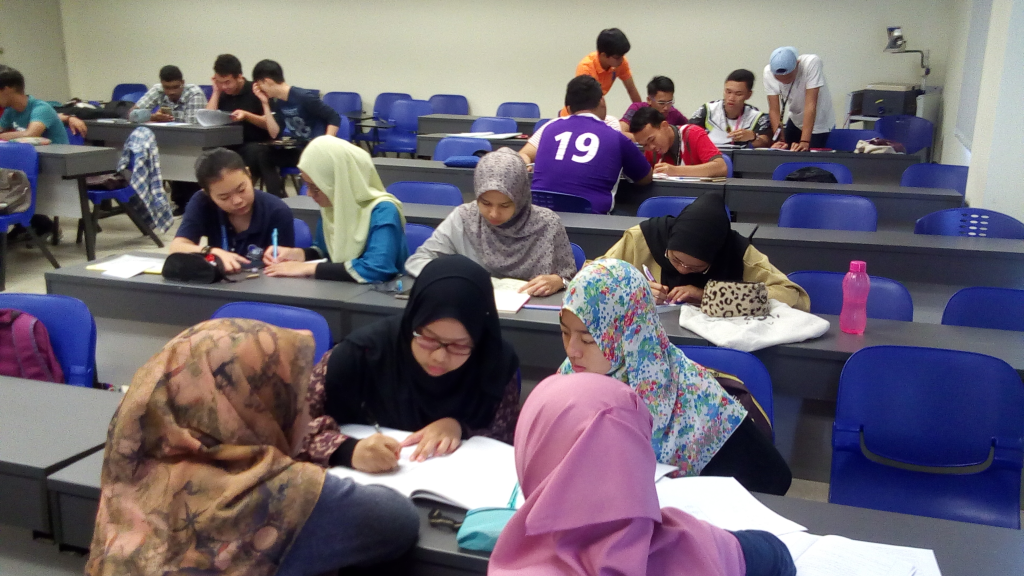
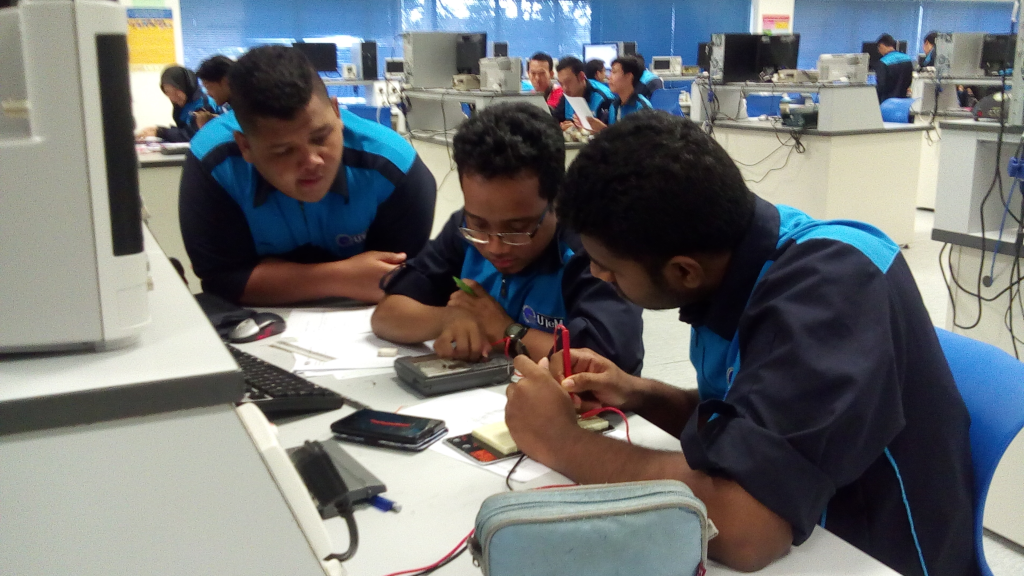
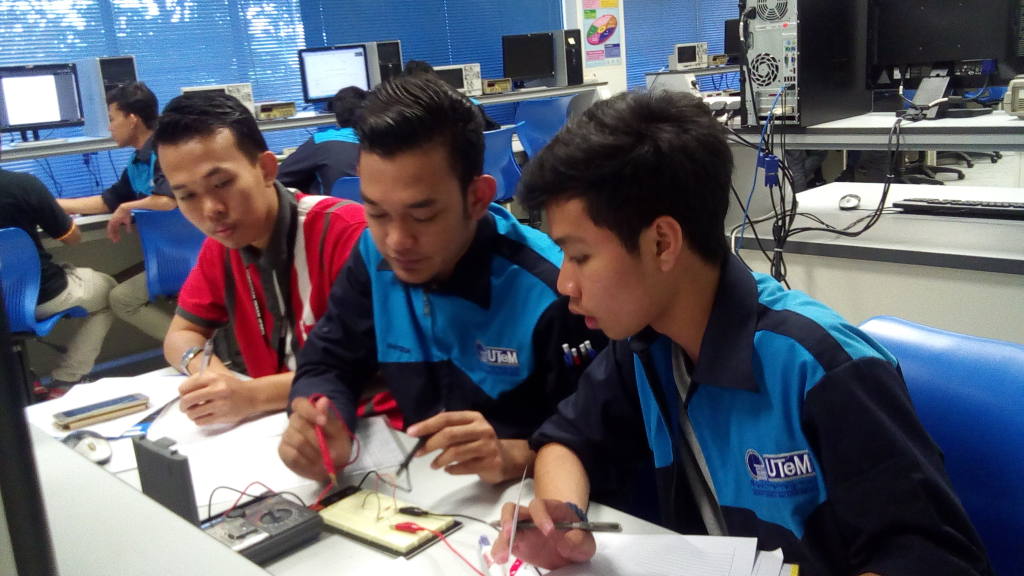
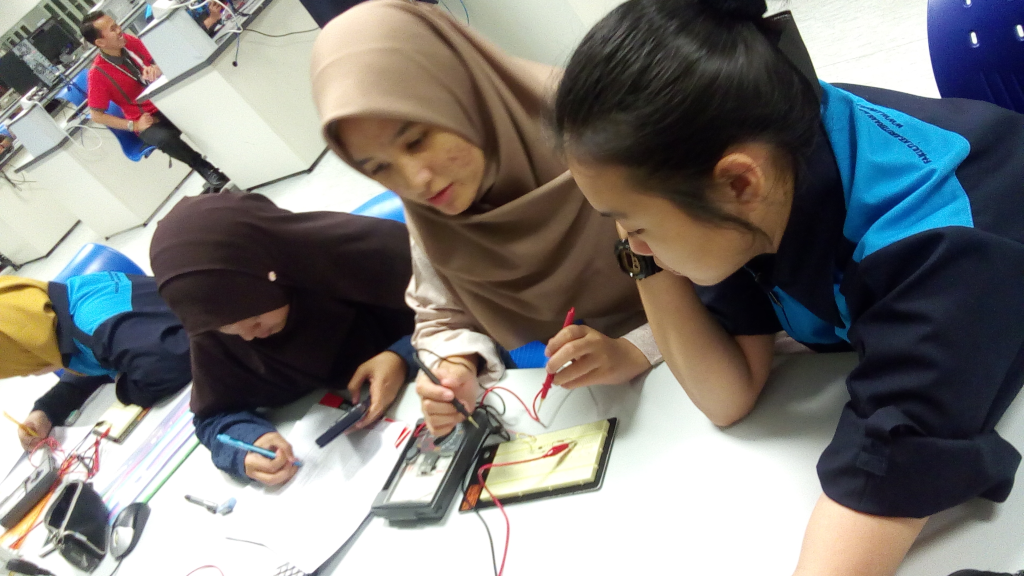
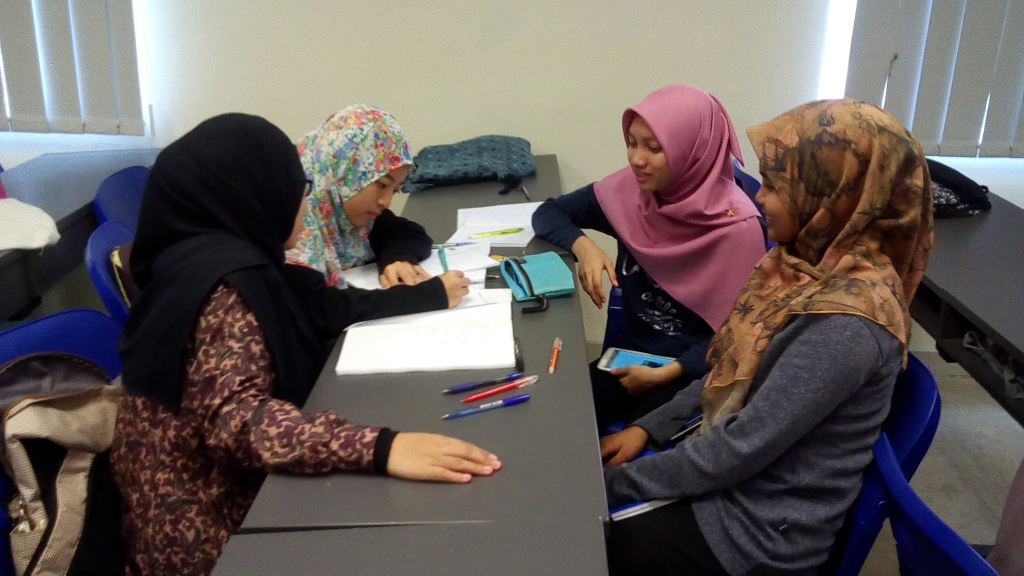
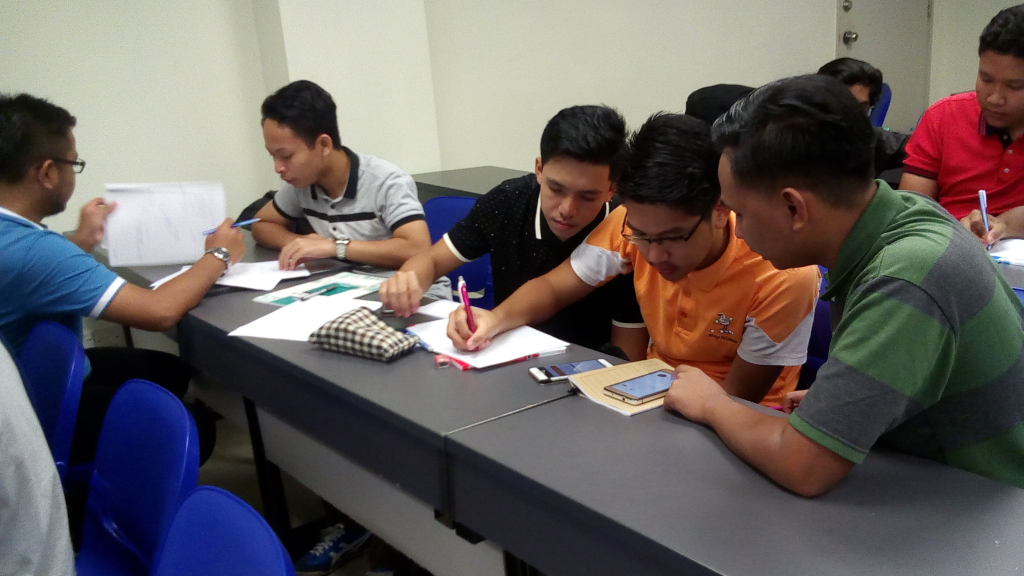


… some of my students in Semester 2 (2016/2017) during group-basis work in class and lab …
Intermittent Question and Answer by Socratic Method
In addition, student in general have short focus span (Bradbury, 2016). Meaning, the duration of time that they can really focus on the lecture is limited. I came to notice that the longest time that the student can focus in the lecture is one hour, given that we delivered the lecture continuously. After that, the students may seems present in class but their mind will be wandering somewhere else. To ensure that they stay present (physically and mentally) with me in class, I will break the lecture with intermittent questions and answer in the form of exercises. Depending on the course content; sometimes the exercises will be individual-basis, other times it can be a group-basis. Group-basis allow them to be unguarded and rewind a little bit while completing the task; whereas individual-basis allows them to be more alert on the course lectures that had just been delivered. The prompts and questions were basically guided by Socratic Method, depending on the course content and the essence of it.
Blended Learning Through Online Platform
Besides that, I had been using the online learning platform provided by UTeM (ULearn) to share the course materials and latest update on the classes. This is because there are some materials that are more suitable to be shared online such as videos and webpage links. Furthermore, the sharing of learning materials in the ULearn platform allow the students to revise and learn the course materials in their own convenience.
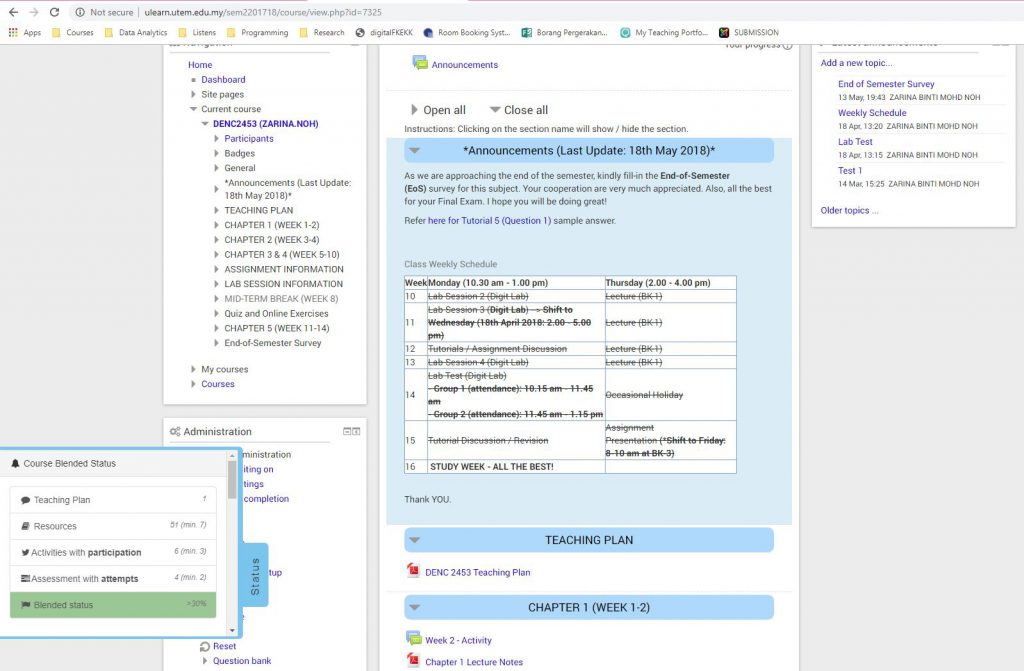
… screenshot of my course content in ULearn, an online learning platform in UTeM …
Conventional One-Way Learning Method
Still, I found that the conventional one-way learning method or instructor-centered learning is more satisfying as an academician in addition to the teaching methods that catered the need of digital learners nowadays. In delivering the classes using the instructor-centered learning, my focus is in strengthening the theoretical understanding of the course, and this needs some flexibility and adjustments to the delivery method. For example, to ensure that students understand the theoretical part of the course, the concepts need to be explained several times during the lecture. Before going to the next part, the relationship between the previous content to the next upcoming content that is going to be covered in the lecture need to be shown beforehand. In the end when the basics are there (this needs to be confirmed by formative assessments), only it can be supported with varieties of teaching methods to reinforce the students understanding.
4. Evidence of Teaching Success
Every semester, students will be completing an online survey prepared by the university at the end of the semester. Summary of the recent assessment score is shown in Table 1; starting from the period I returned to duty after my PhD study leave. With the increase awareness on my own teaching philosophy during each class, it has somehow helps me in my delivery which seems to be in synch with the students’ expectation. The awareness had been indirectly obtained when I attended a one-day workshop organised by Centre for Academics Excellence and Scholarship (CAES) on 28th June 2018 entitled ‘Bengkel Menghasilkan Portfolio Pengajaran Berkesan’. This is as evidenced in the latest assessment in Table 1, where starting from the session 1-2018/2019; the average score for the assessment had been increasing. It is a personal pleasure for me, knowing that the students can accept our teaching methods and delivery.
Table 1: Summary of recent average score in my “Course Assessment Report”.

Other than that, I had compiled some written comments by students from the ‘End-of-Semester (EoS)’ survey, an initiative by the faculty to indirectly assess the students’ achievement on the Course Learning Outcome (CLO) based on courses. The compilation of some of the comments are given in Table 2.
Table 2: Compilation of comments by students extracted from ‘End-of-Semester (EoS)’ survey.

5. Teaching History and Reflection
Teaching History
Listed in Table 3 are the courses that I had taught at UTeM. There are 13 different undergraduate courses comprises of eight bachelors and five diploma courses from the year 2006-2018. In the following section, I included some reflection after I had become aware on holding up to teaching philosophy while handling the classes.
Table 3: List of my teaching history.

Reflections on Three Recent Courses Delivery
>> Semester 2-2017/2018 (Microcontroller, DENC 2453)
[Course Nature] The course is more on understanding the working principle of a microcontroller with the introduction of one of the device that is PIC16F84A.
[Approach] First, I expose the theories on the architecture of microcontroller to students during lectures. It is during the delivery of lectures that I applies the flexibility accordingly. Next, I let the student explore the programming of the chip during practical session. Lastly, I wrap up the whole course through assignment by developing a microcontroller-based system to let the student appreciate the technology.
[Reflection] From my observation, this approach is effective for both fast and slow pace learners. This is as evidenced in their result for which about 20% of the students scored an ‘A’ grade. However, students might not favoured the approach as the ‘Course Assessment Report’ resulted in an average score of 3.87 (the full score is 5). It may be due to the time constraints imposed in finishing the assignment; in which for future reminder, I would like to try guided-assignment/project for this course. In this guided-assignment/project, students will be exposed to the nature of the assignment that they had to complete for the course; with the aim that the learning of the course is eventually for them to complete the assignment.
>> Semester 1-2018/2019 (Digital System, BENC 2413)
[Course Nature] The course focuses on the basic building blocks of a digital system, starting from the transistor (physical) level up to the system (module) level.
[Approach] First, I let the students see the overview of the digital system as lay out in the teaching plan to ensure that the relation between each topic can be understood by them. Next, I focused on the significance of each topic theoretically and by learning through the exercises (individual and group-basis). Lastly, the whole course was wrapped up by revisiting the overview of the digital system as revealed to them earlier in the semester.
[Reflection] From my observation, this approach is effective for the class, especially on the learning through exercises. I found out that if the students were exposed to more exercises and group discussion, they tend to learn and understood well. This is as evidenced in their final grades for which 26% of the students scored an ‘A’. As such in the future, if I were to deliver classes that is about similar in nature to this course, I will encourage more group discussion to facilitate the student learning process.
>> Semester 2-2018/2019 (Microprocessor Technology, BENC 2423)
[Course Nature] The nature of the course is on understanding the ARM Cortex-M3 microprocessor; specifically on its architecture, programming and application in an embedded system.
[Approach] The nature of the course is almost similar to the Microcontroller (DENC 2453) course that I had handled previously. Hence, noting on the improvement that I should make in the approach, from the beginning of the course, I had already highlight the importance of each chapter with respect to the assignment that the students had to complete at the end of the semester. With this aim, it is easier to relate the course content with its application. Overall, the course includes theoretical information on the architecture of the device, its programming in assembly language and the development of an ARM-based microcontroller system demonstrated through the assignment.
[Reflection] From my observation, the approach is working for the class. It is just that the delivery of the course is more effective if it is conducted through several demonstration using the device at the lab. I discovered this while supervising the students at the lab when they are completing the assignment, in which through the discussion in understanding the project matters that they started to connect the dots in understanding the course materials. Furthermore, through indirect assessment to their satisfaction in the course delivery, the students had mentioned on the need to have more sessions at the lab to better grab the course content.
6. Supervision and Academic Advisory
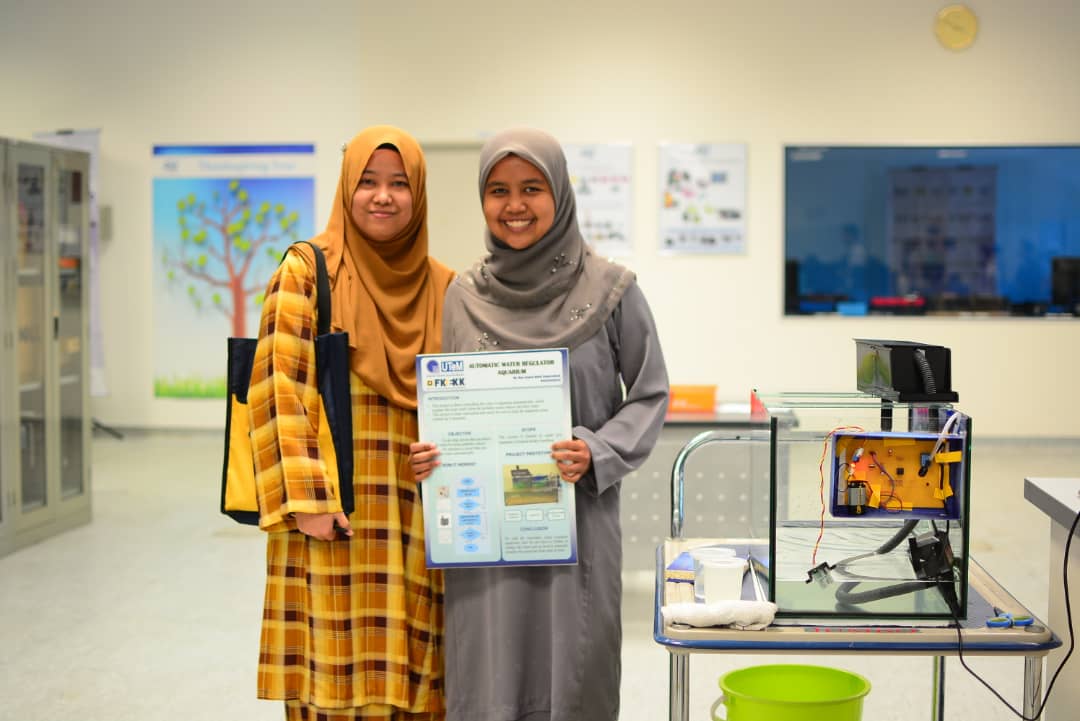
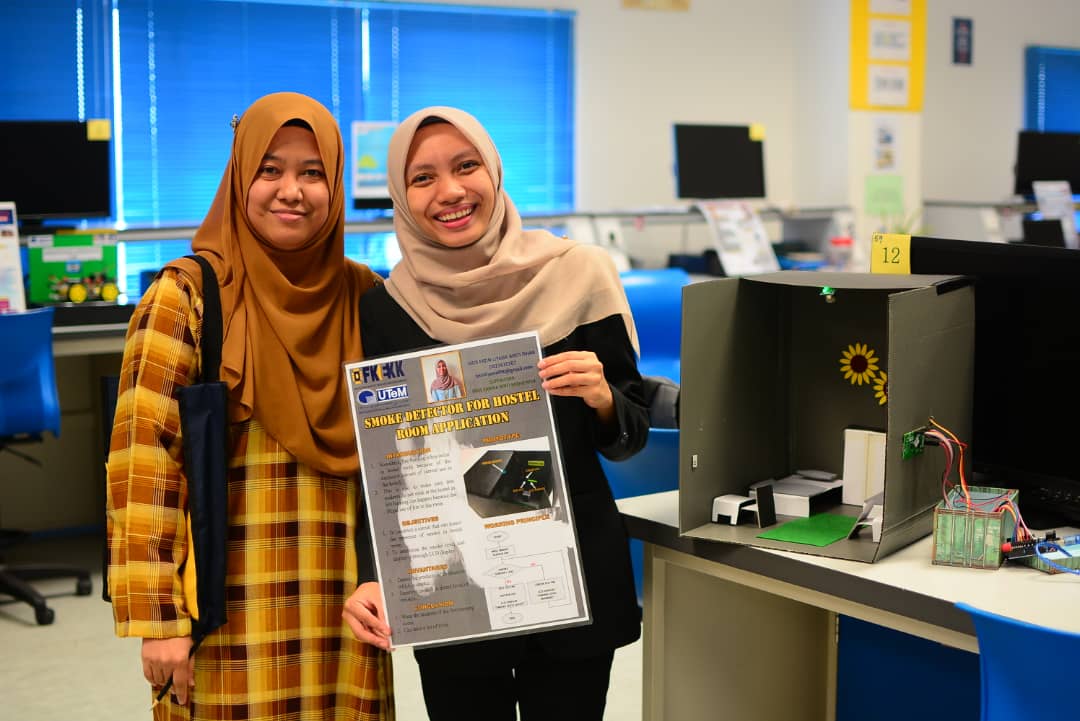
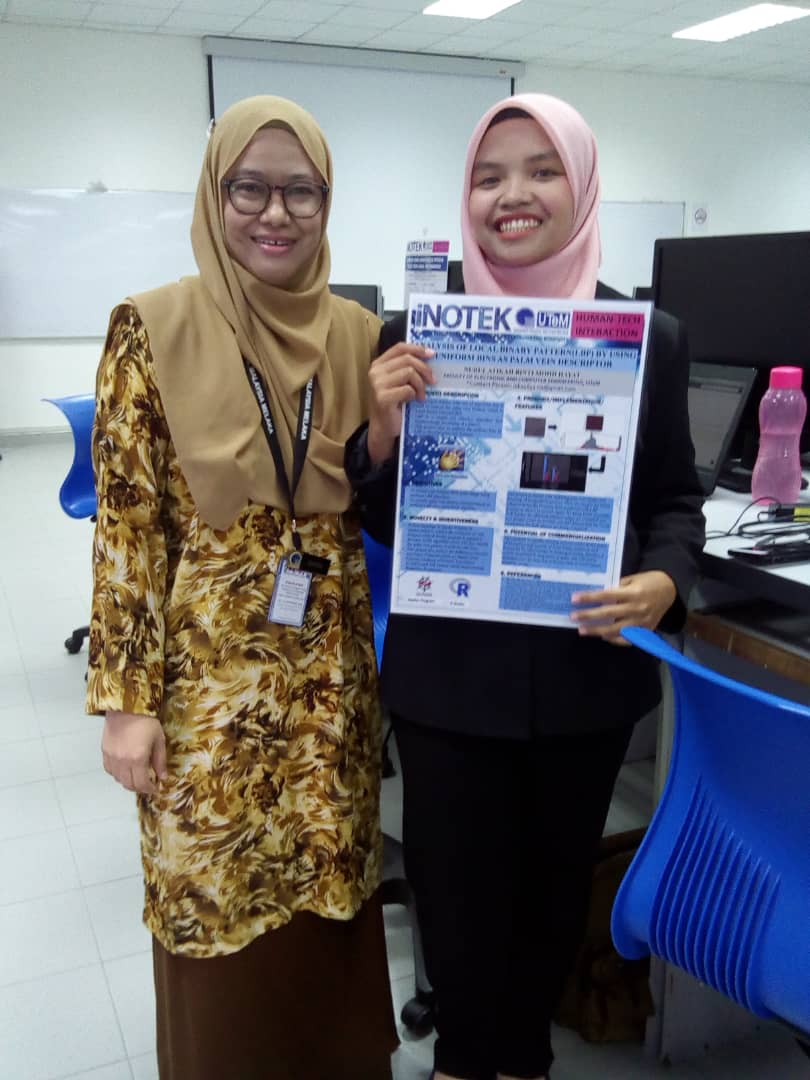
Listed in Table 4 are the students under my supervision starting from the year 2016. Throughout the year, I had supervised the students for their Final Year Project (Diploma and Bachelor Degree) and also for Integrated Design Project. While Final Year Project is an individual work spanning for two semesters, Integrated Design Project is a group work (consists of 3-5 students) for a one-semester project. Every Bachelor Degree Final Year Project in the faculty will be listed for an annual ‘Innovation & Technology Competition (INOTEK)’ hosted by the faculty. Some of the students under my supervision managed to bag a Bronze Medal for the competition.
Table 4: List of students under my supervision from the year 2016.

Besides supervising the students with their project, I am also responsible as Faculty Supervisor for student undergoing Industrial Training. Listed in Table 5 are the students under my supervision and their placement for Industrial Training. As Faculty Supervisor, I had to assess the students work and activity during their Industrial Training by video-conferencing. Based on the question and answer session during the video-conference, the student performance and the suitability of the Industrial Training placement will be evaluated and reported to the faculty.
Table 5: List of students under my supervision during their Industrial Training and placement.

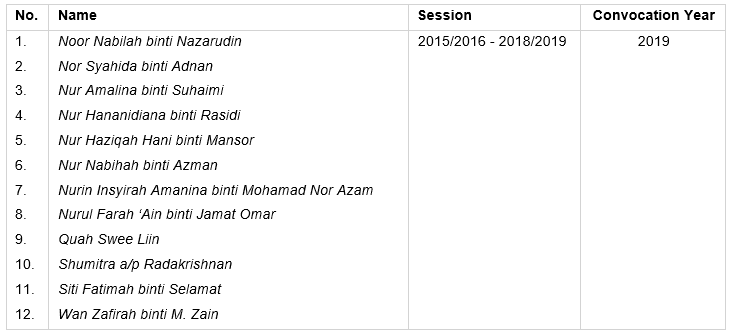
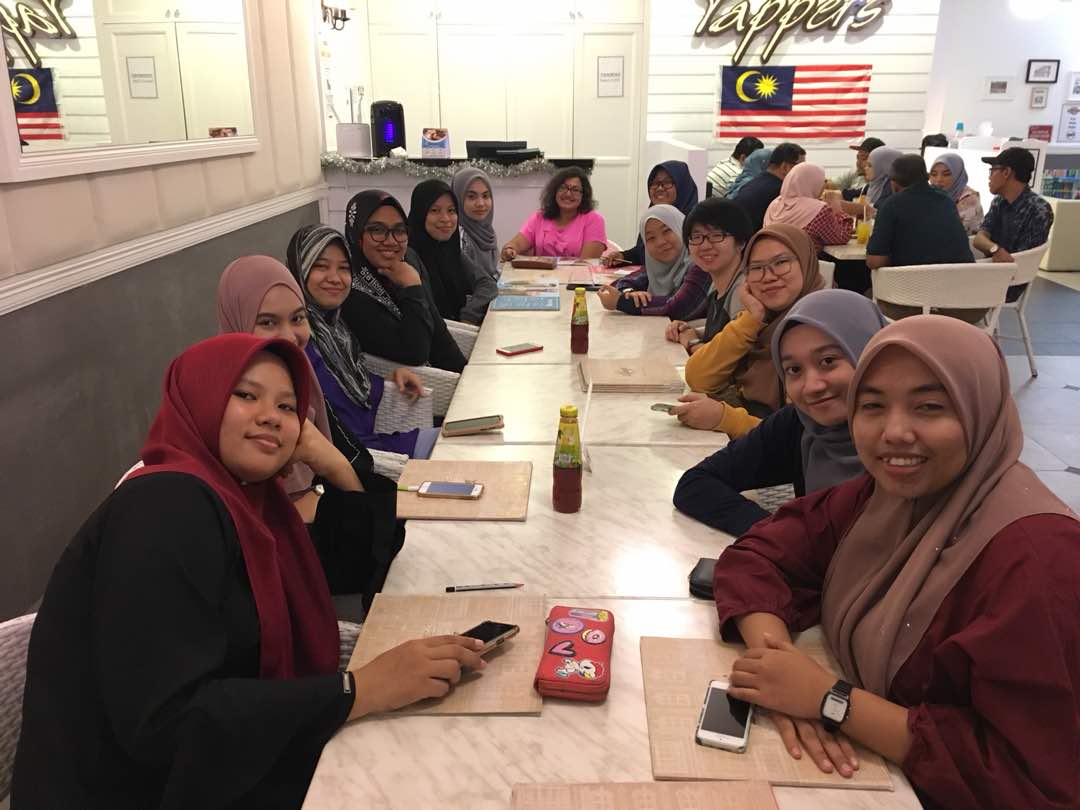
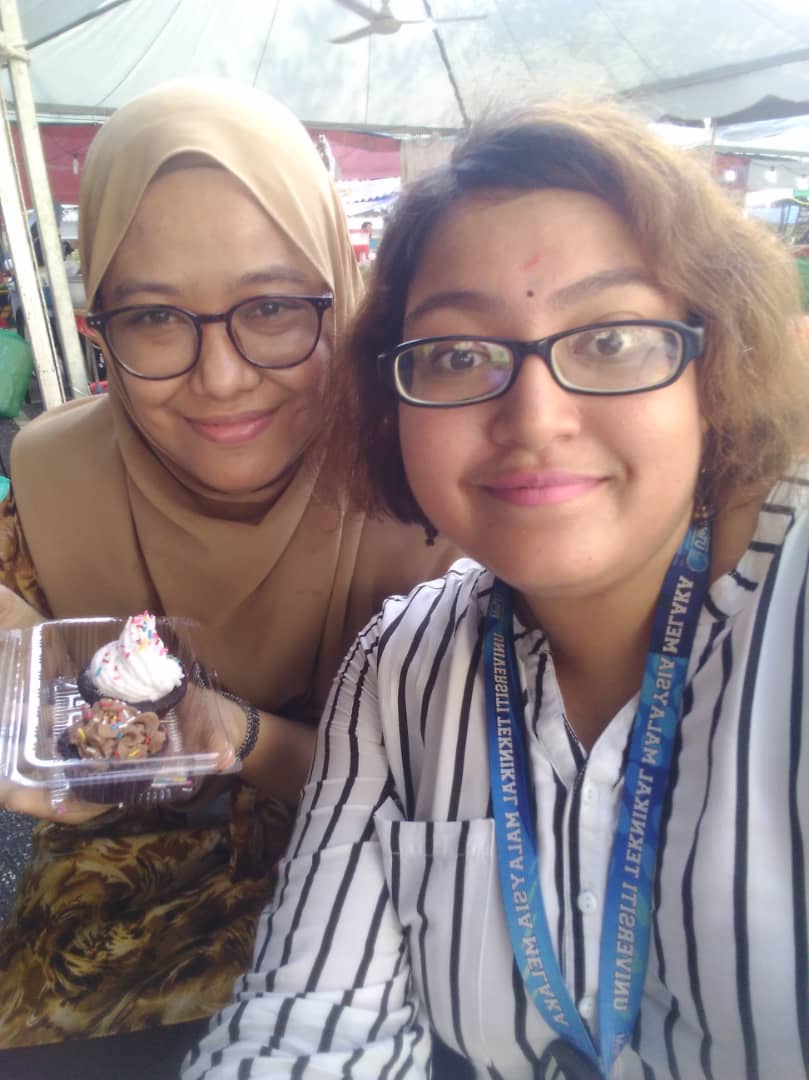
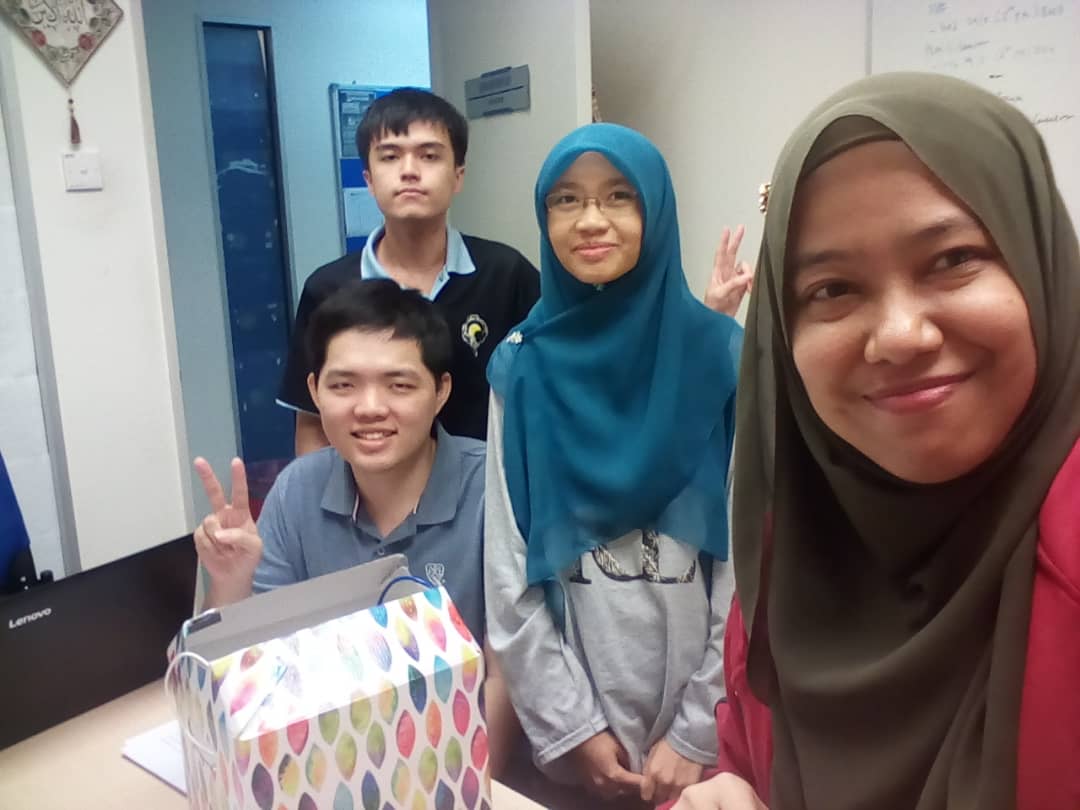
Other than that, I was also appointed as an Academic Advisor for a group of 12 students as listed in Table 6. These students are expected to have their graduation in the upcoming UTeM convocation on December 2019. Throughout our years together as an academic advisor-advisee, we had spent some time together not just in the faculty but also over the lunch and dinner, because time flies and it is how we spent them that matters. I also found that we can learn more about our students if we spent some casual time with them, so that we can unwind a bit and connect with each other casually.
Table 6: List of my academic advisees.
7. Skills and Competency
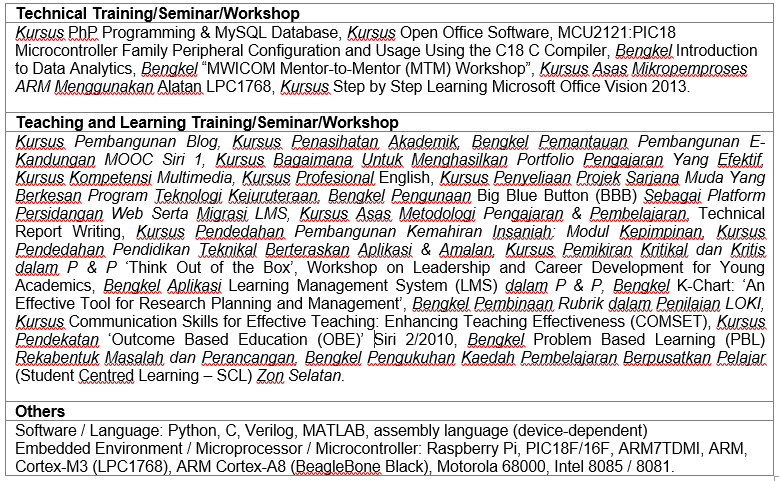
Listed in Table 7 are the courses and programs that I had joined throughout my service as an academician at UTeM, and also the related skills that I had acquired all these while. Beside the mentioned responsibilities, I regularly attended several courses and programs organized by UTeM and other organizations. Attending these courses and programs are necessary to keep myself updated on the current trends in teaching and learning in Higher Education Institution (HEI). Also, these courses are necessary to keep us relevant to the current needs as an academician, especially on enhancing the appropriate skills such as teaching and learning methods, supervising skills, course assessment techniques and communication skills (to name a few).
Other than that, skills related to computer engineering field such as programming in C, Python, MATLAB and assembly language (device-dependent) that had been acquired through out the year are as listed in Table 7. These additional skills are important, especially in supervising the students for their projects; which will be continuously upgraded to keep up with the technology.
Table 7: Courses attended, skills and competency.
8. Teaching Goals
My goal as an academician is to tap into the students mind and encourage their inquisitive nature to explore the knowledge by themselves. I hope to achieve this goal by continuously editing myself; in adjusting and updating myself on the relevant teaching approaches so that it is in accordance with the students’ expectation; while upholding my teaching philosophy.
9. References
Bradbury, N. A. (2016). Attention span during lectures: 8 seconds, 10 minutes, or more? Advances in Physiology Education, 40(4), 509–513.
Crews, T. B., Wilkinson, K., & Neil, J. K. (2015). Principles for good practice in undergraduate education: Effective online course design to assist students’ success. MERLOT Journal of Online Learning and Teaching, 11(1), 87–103.
Delic, H., & Becirovic, S. (2016). Socratic method as an approach to teaching. European Researcher, 111(10), 511–517.
Kibble, J. D., Bellew, C., Asmar, A., & Barkley, L. (2016). Team-based learning in large enrollment classes. Advances in Physiology Education, 40(4), 435–442.
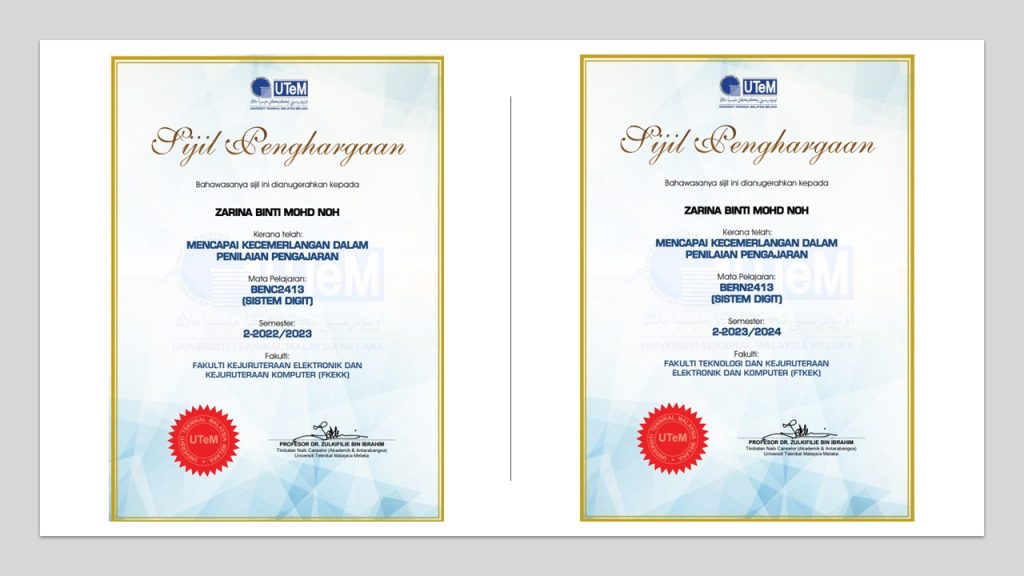
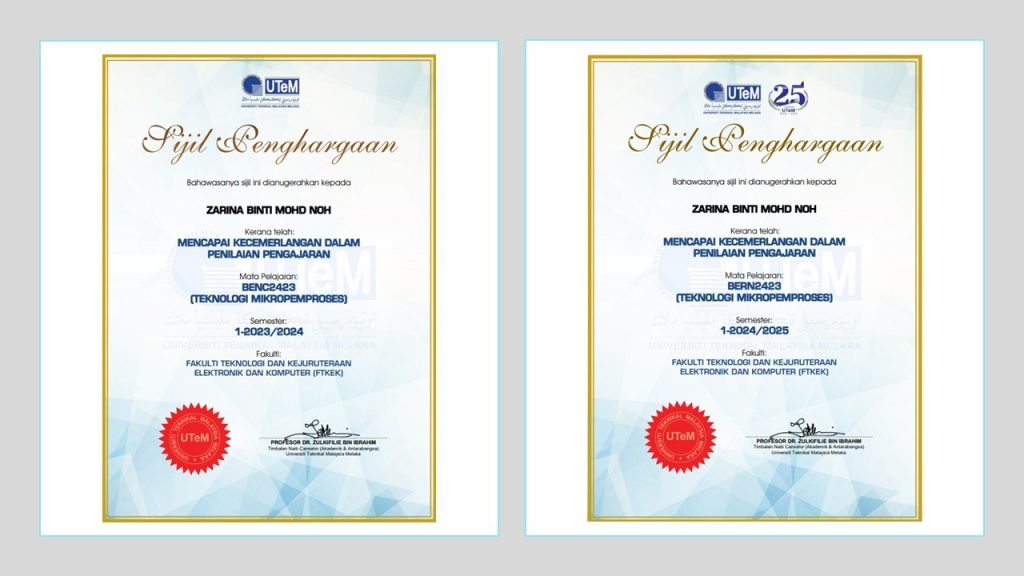
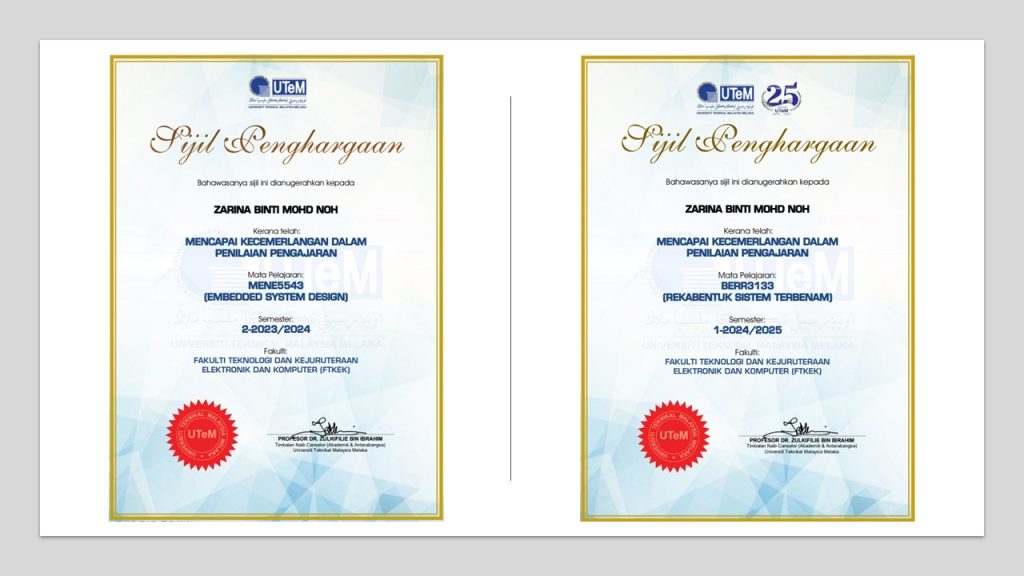
10. Compilation of Teaching Excellence Certificates
Last Updated: 18th August 2025