Steps to Take Before Pursuing a Postgraduate Degree
Embarking on a postgraduate journey is a significant decision that requires thoughtful planning and self-assessment. Whether you’re considering a taught course, a research-focused degree, or a professional certification, here are the steps to help you prepare effectively:
1. Understand the Nature of the Degree
The first step is to familiarize yourself with the type of postgraduate degree you wish to pursue. Postgraduate programs typically fall into the following categories:
- Taught Degrees (e.g., Master’s programs): These are structured with a set curriculum of lectures, seminars, and exams. Examples include an MBA, M.Sc., or M.Eng.
- Research Degrees (e.g., M.Sc., PhD): These focus on independent research under the guidance of a supervisor, culminating in a thesis or dissertation.
- Professional Certifications or Professional Diplomas: These programs enhance specific career skills and may lead to industry-recognized qualifications.
Determine which option aligns with your career goals, interests, and learning style. Certain fields of study offer the flexibility to pursue postgraduate degrees in areas different from your current field, allowing you to diversify your expertise or explore new interests. However, transitioning to a different field may require you to complete preliminary or bridging courses to build a foundational understanding of the new subject. These courses ensure that you are adequately prepared to tackle the advanced concepts in the program and can vary depending on the institution and the field of study. This pathway is especially beneficial for those looking to pivot their careers or expand their knowledge into interdisciplinary domains.
2. Define Your Goals and Motivation
Ask yourself why you want to pursue a postgraduate degree. Common motivations include:
- Advancing your career prospects
- Switching to a new field
- Deepening your expertise in a specific area
- Gaining academic credentials for a research or teaching career
Clearly defining your goals will help you select the most appropriate program and stay focused during your studies.
3. Research Potential Programs and Institutions
Take the time to explore various universities, colleges, or institutions offering postgraduate programs in your area of interest. Consider the following factors:
- Reputation: Look at university rankings and program-specific reviews.
- Curriculum: Review the course content and structure to ensure it matches your interests.
- Faculty: Research the expertise and credentials of the faculty members.
- Location: Decide whether you prefer to study locally, abroad, or online.
- Cost: Evaluate tuition fees, living expenses, and available funding options.
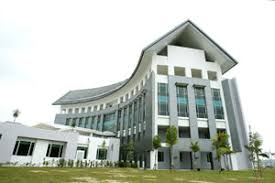
To learn more about continuing your studies at Universiti Teknikal Malaysia Melaka (UTeM), it\u2019s essential to explore the Postgraduate Centre (Pusat Pengajian Siswazah, PPS) for detailed information on programs, admission requirements, and available resources. Visit the official PPS UTeM website at https://pps.utem.edu.my/ for guidance on application procedures and updates on postgraduate opportunities.
4. Assess Your Eligibility and Academic Background
Check the admission requirements for your chosen programs. Common prerequisites include:
- A bachelor’s degree in a relevant field
- A minimum GPA or academic standing
- English language proficiency (e.g., TOEFL or IELTS scores for non-native speakers)
- Work experience for certain professional degrees
If there are gaps in your qualifications, consider taking preparatory courses or gaining relevant experience.
5. Plan Your Finances
Postgraduate education can be a significant financial commitment. Create a budget that includes:
- Tuition fees
- Accommodation and living expenses
- Study materials
- Travel and relocation costs (if applicable)
Look into scholarships, grants, and student loans. Some institutions also offer teaching or research assistantships that can help offset costs.
6. Seek Professional and Academic Guidance
Reach out to mentors, professors, or industry professionals for advice. They can provide valuable insights into:
- Choosing the right program
- Preparing a strong application
- Navigating your chosen field post-graduation
7. Prepare Your Application
Most postgraduate applications require the following:
- Personal Statement or Statement of Purpose: Highlight your academic and professional achievements, goals, and reasons for applying.
- Curriculum Vitae (CV): Include your educational background, work experience, and skills.
- References: Request recommendation letters from professors, employers, or colleagues who can vouch for your abilities.
- Transcripts: Submit official academic records from your previous institutions.
8. Evaluate the Time Commitment
Postgraduate programs can range from one year (for most taught degrees) to several years (for research degrees). Ensure you can dedicate the required time alongside any personal or professional obligations.
9. Develop Relevant Skills
Depending on your chosen program, you may need to develop specific skills before starting. For example:
- Research skills for a PhD
- Coding or technical skills for data-intensive fields
- Professional writing or public speaking for MBA programs
10. Network and Build Connections
Start connecting with alumni, current students, or faculty members from your prospective programs. They can offer first-hand experiences and tips for success.
Final Thoughts
Deciding to pursue a postgraduate degree is a transformative step that can open doors to new opportunities. By following these steps, you’ll be well-prepared to choose the right program and excel in your academic and professional journey.