Choosing the Right Study and Career Path After SPM: A Practical Guide
Congratulations, SPM graduates! You’ve crossed a major milestone, and now it’s time to chart your next move. Whether you’re eyeing a professional career, a technical trade, or an entrepreneurial journey, the decisions you make today will shape your future.

As a lecturer in higher education, I often meet students who are unsure about what’s next. While I am part of a university ecosystem, I strive to give practical, neutral advice that helps you discover the path that best suits you—not necessarily what’s popular or expected.
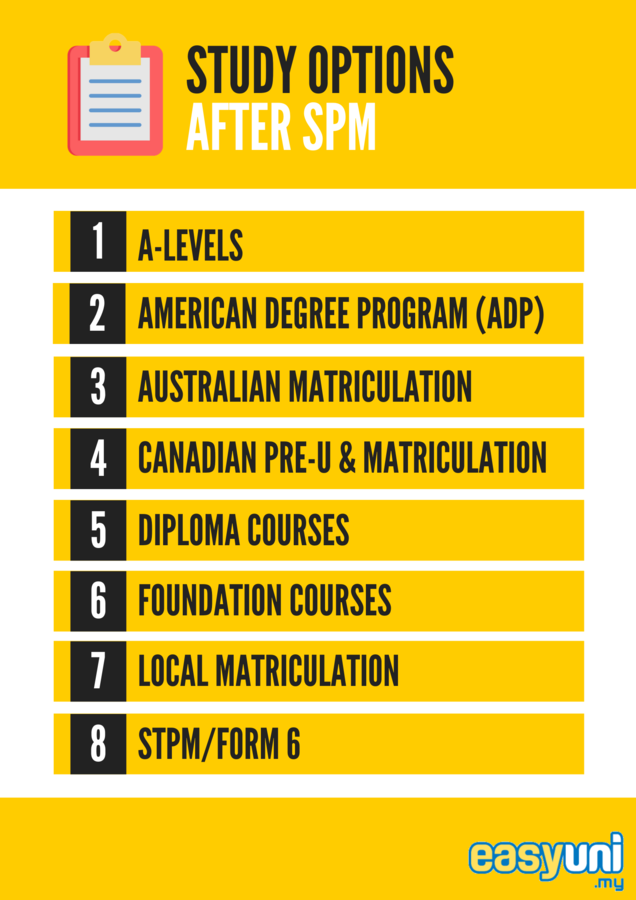
1. Understand Your Options
There are multiple paths after SPM, and each serves different aspirations:
-
Diploma: Practical and focused. Great for those wanting a quicker entry into the workforce, or a stepping stone to a degree.
-
Matriculation/Foundation/Pre-U: Ideal for those planning to enter academic degree programs quickly.
-
Certificates and Short Courses: Short-term, skill-based learning—especially useful for immediate job-readiness.
-
Apprenticeships or On-the-Job Training: Learn directly from the industry. Great for trades like automotive, culinary, or electronics.
-
Work First, Study Later: Some start with work or business before pursuing formal education.
📝 Tip: Know your learning style. If you’re hands-on and curious about how things work, polytechnic or diploma programs in technical universities may resonate with you.
2. Define Your Long-Term Goals
Think about the kind of life and career you envision. Do you see yourself as a creative professional, engineer, entrepreneur, or even a public servant? Your chosen path should support these ambitions.
📝 Tip: Explore career outlooks, salary expectations, and industry demands. Some diploma holders, for instance, advance into respected roles in tech and industry faster than degree holders in saturated fields.
3. Is a Degree Always Necessary?
Some fields require it—like medicine, engineering, or law. But others, like IT, design, and business, prioritize experience and skill. It’s important to know where your interest lies.
📝 Tip: Don’t pursue a degree just because it seems prestigious. Know what your desired profession truly demands. For example, aspiring engineers must graduate from accredited programs to qualify for registration with the Board of Engineers Malaysia (BEM)—and not all universities offer these recognized programs.
4. Location and Flexibility
Do you want to study close to home or venture further? Urban campuses offer broader exposure, but rural institutions sometimes provide suitable and conducive, yet stronger, niche programs in engineering, technology, or vocational areas or other areas of your interest.
📝 Tip: Some technical institutions outside the spotlight quietly produce top-tier graduates with hands-on experience and strong industry links.
5. Financial Aid and Support
Cost is a major consideration when planning your next step. Be sure to explore all avenues of support—scholarships, PTPTN, MARA loans, zakat funds, or institution-specific grants. A surprising number of students miss out simply because they weren’t aware of available options.
📝 Tip: When evaluating universities, don’t focus solely on global rankings. Instead, look at how they perform in specific fields, graduate employability, or even sustainability indicators like the GreenMetric ranking—these might better reflect what truly matters to you.
Some institutions also offer compassionate or student-friendly financial aid, including customised fee structures and special in-house support schemes designed to ease the burden for students from various backgrounds. This type of care often reflects the institution’s deeper commitment to student success and well-being.
6. University Ranking vs. Educational Relevance
Not all good universities are highly ranked globally—and not all highly ranked ones suit your goals. Some universities focus more on applicability, practicality, and industry needs than on international benchmarks.
📝 Tip: If an institution is making its mark in global rankings, even modestly, it’s often a sign that it is committed to quality. Institutions that focus on practice-based learning often produce highly employable graduates—even if they’re not always in the top QS/THE tiers.
7. Degree with Honours or Without?
An honours degree usually involves more academic rigor and can be a gateway to postgraduate studies or competitive job roles.
📝 Tip: If you foresee pursuing a Master’s or PhD, go for an honours track. Many engineering and technology programs at technical universities include built-in honours components for this reason.
8. Duration of Study
Time matters. Most diplomas take 2–3 years, degrees 3–4, and professional programs even longer. Choose a path that fits your readiness and goals.
📝 Tip: Some institutions allow a seamless transition from diploma to degree, letting you work in between or continue without repeating years. These flexible systems help students grow at their own pace.
9. Job Requirements & Professional Licensing
Professions like law, medicine, accounting, and engineering have strict licensing rules. For example, to become a professional engineer in Malaysia, you must complete an accredited engineering program and go through a registration and training process.
📝 Tip: Not all institutions offer these accredited programs. Look for universities that emphasize technical depth, industrial exposure, and professional alignment. Some public technical universities specialize in such fields, making them ideal choices for aspiring licensed professionals.
10. Tuition and Cost of Living
Always consider the full financial picture—fees, accommodation, food, and transport. Studying in major cities can be expensive, while suburban or regional campuses might be more budget-friendly.
📝 Tip: Balance prestige with practicality. A well-structured diploma or degree in a smaller town could mean lower costs but excellent quality.
11. Campus Life and Student Support
Your education isn’t just about lectures. It’s also about who you meet, what you experience, and the support you receive. Look into campus facilities, clubs, career services, and even mental health support.
📝 Tip: Some technical institutions emphasize strong student mentoring, hands-on clubs, and real-world industry projects—this can be a major plus.
12. Flexibility for the Future
The job market is evolving. Pick a study path that lets you pivot when needed. Skills like critical thinking, digital literacy, and communication are essential across industries.
📝 Tip: Some programs integrate multi-disciplinary elements—allowing you to specialize while remaining flexible. That’s a big advantage in an unpredictable job market.
🎯 Final Thoughts
Take your time. Don’t rush your decisions based on peer pressure or social expectations. Talk to counsellors, working professionals, and alumni. Explore all options—from certificate courses to public universities to entrepreneurship.
While I come from a technical university background, my own educational journey has taken me through a top research university in Malaysia and the KPM Matriculation system. Having experienced both academically driven and technically focused environments, I’ve come to appreciate that there’s no one-size-fits-all answer when it comes to choosing the right path.
In recent years, TVET-based universities—particularly those with strong links to industry, hands-on learning, and a focus on applied innovation—have become increasingly valuable for students who want to be job-ready and future-proof. These institutions may not always dominate global rankings, but their strength often lies in relevance, employability, and real-world impact. If you’re someone who values practical skills with strong academic foundations, this could be a path worth exploring further.